Another week begins. I quickly slip into my business suit and head back into the office to save a few innocent people. But while I try to fool myself into being excited about the promise of a new year and the continuation of the regular grind, deep down, I’m not, so I’m going to escape dreary reality by reading some great books.
Another week and even more books to fit into the hectic schedule. As always, I’m finishing off one and starting another. And here they are. Newest first. Revenant Winds byMitchell Hogan
In a world devastated by a series of cataclysms over millennia, where the followers of different gods vie for ascendancy, mankind carves out a precarious existence among the remnants of a desolated past. Cities and civilizations are built atop mysterious and ofttimes menacing ruins, and the unforgiving wilderness beyond is filled with inhuman creatures and races from before the dawn of history. Sorcery is seen by some as a gift of the gods, and by others as their curse. And the demon-ravaged past has all but been forgotten.
As a secret cabal schemes to awaken an evil thought defeated millennia ago, the lives of three unlikely heroes are fated to converge:
Aldric, a veteran priest and sorcerer, who seeks acceptance from the church that shuns him. On the brink of their approval, he receives a mission that brings him face to face with a long-buried evil.
Niklaus, master swordsman, and slave to his goddess, who plots to split the veil between life and death and ascend to become her equal.
Kurio, the runaway daughter of a noble family, now turned to thievery, who stumbles across a disturbing secret that binds her future to infernal designs.
Drawn toward a horrifying endgame by an unknown force, Aldric, Niklaus, and Kurio find themselves in a battle not only for their lives, but for the beliefs that have come to define them.
A wrong decision, an overreaching ambition, or the failure of an already tormented faith, is all it will take to plunge mankind into an eternal dark.
Fire. Wind. Pestilence. Earthquake. Drought. Lightning. These are the six Decimates, wielded by sorcerers for both good and evil.
But a seventh Decimate exists–the most devastating one of all…
For centuries, the realms of Belleger and Amika have been at war, with sorcerers from both sides brandishing the Decimates to rain blood and pain upon their enemy. But somehow, in some way, the Amikans have discovered and invoked a seventh Decimate, one that strips all lesser sorcery of its power. And now the Bellegerins stand defenseless.
Prince Bifalt, eldest son of the Bellegerin King, would like to see the world wiped free of sorcerers. But it is he who is charged with finding the repository of all of their knowledge, to find the book of the seventh Decimate–and reverse the fate of his land.
All hope rests with Bifalt. But the legendary library, which may or may not exist, lies beyond an unforgiving desert and treacherous mountains–and beyond the borders of his own experience. Wracked by hunger and fatigue, sacrificing loyal men along the way, Bifalt will discover that there is a game being played by those far more powerful than he could ever imagine. And that he is nothing but a pawn…
Flashback Friday is something I do here at Bookwraiths every once in a while; a time when I can post my thoughts about books that I’ve read in the past. With the hectic schedule of day-to-day life, there never seems enough time to give these old favorites the spotlight that they deserve, but with a day all to themselves, there is no reason I can’t revisit them.
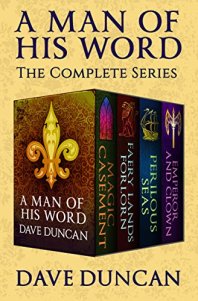
Today, I’ll be taking a look back at a classic fantasy series by Dave Duncan!
With A Man of His Word, Dave Duncan produces a sprawling epic, which uses the familiar tropes of classic fantasy to effortlessly ensnare readers in the familiar story of a gifted, stable boy and a willful, skilled princess. No, the author doesn’t revolutionize the genre, or even attempt to subvert it, but, rather, he takes the normal building blocks of epic fantasy and uses them to create a fresh, exciting tale all his own.
Rap and Princess Inosolan grow up on the great rock of Krasengar, far to the north in the world of Pandemia, where surviving the arctic winters and maintaining their way of life keeps the people from care too much about the goings on in the greater world. As these two children grow to maturity they become fast friends, as close as two people could be; only when they both enter the edge of adulthood does their bond begin to fray, as deeper feelings for one another grow, yet can’t be acted upon by either.
Naturally, Rap and Inosolan’s simple life becomes complicated by events which pull them into the greater world. The spunky princess getting into all sorts of deep trouble, while Rap doggedly travels the world, braves dangers, and uncovers unexpected skills to save his friend. (Not to say that Inosolan is a damsel waiting to be rescued, because she is it not, but that doesn’t mean Rap’s help isn’t of good use to her.) All of the daring adventures of the two friends leading to a final conclusion which (though expected) is still well done and quite fulfilling.
While many aren’t familiar with Dave Duncan’s works, I’ve always been a fan of his fantasy offerings. Series like The Seventh Sword and A Handful of Men (sequel to Man of His Word) especially note worthy; the author combining a more mature and realistic look at life with the hopeful, escapist tone of Tolkien-esque fantasy. Duncan always able to invoke laughs and smiles, grimaces and shock without making the story a bloody, horrific, depressing grimdark mess.
What really pulled me into this particular narrative was the worldbuilding and the main characters. This world of Pandemia populated by the tried-and-true fantasy races with a creative magic system; the commoner-princess trope put to good use, as the story of Rap and Inosolan slowly ensnares you, making you care about these two youths, then the greater story whisks them (and you the reader) away on an exciting journey of discovery across the world, where cool people pop up all along the way.
As for any real criticism, all I can say is that this is classic fantasy. Duncan doesn’t discard the normal tropes but embraces them, uses them in his own way to create an exciting adventure tale which isn’t dark, cynical, pessimistic or nihilistic but the exact opposite. And those lighter, more optimistic qualities might turn some readers off, those who prefer their fantasy to be in the mold of George R.R. Martin, Joe Abercrombie, and others. Besides this possible issue though, there really isn’t anything negative I could list about this series.
A Man of His Word is quite frankly a return to a brighter, more optimistic time in fantasy literature. An era where people wanted the “good” guys to triumph, the “bad” guys to get what they deserved, and for the weary heroes to somehow, someway have the possibility to live happily ever after. And if you are a reader weary of the grimdark of today who wishes to (re)discover the fun fantasy of yesteryear, I’d encourage you to pick up A Man of His Word; it might not reinvent the genre or subvert any tropes, but it will make you laugh, smile, and forget the screwed up world we live in for more than a few hours.
I received this book from the publisher in exchange for a fair and honest review. I’d like to thank them for allowing me to receive this review copy and inform everyone that the review you have read is my opinion alone.
Today, the guys in the Goodreads Top 5 Wednesday group have an interesting topic, one which is kind of sad from a reading perspective but does happen: Favorite Bromances! “Bromance = platonic relationship between two characters who identify as male.”
Well, this one might be tricky. I mean, the key is whether the characters “identify as male” which might be an issue since I don’t believe anyone ever asks them in the context of the story how they identify sexually. With that being said, I am going to be forced to make a subjective assumption based upon their stated sex and their general behavior, specifically their sexual attraction to those of the opposite or same sex.
Since I will be making assumptions regarding characters “sexual identification” I’m turning it over to actor Chris Pratt to issue a statement in my behalf to everyone who is about to read this article.
I want to make a heartfelt apology for whatever it is I end up accidentally saying . . . I hope you understand it was never my intention to offend anyone and I am truly sorry. I swear. I’m the nicest guy in the world. And I fully regret what I (accidentally will have) said . . .
I am not in the business of making excuses. I am just dumb. Plain and simple. I try. I REALLY try! When I do (potentially) commit the offensive act for which I am now (pre) apologizing you must understand I (will likely have been) tired and exhausted when I (potentially) said that thing I (will have had) said that (will have had) crossed the line. . . Trust me. I know you can’t say that anymore. In fact in my opinion it was never right to say the thing I definitely don’t want to but probably will have said. To those I (will have) offended please understand how truly sorry I already am. I am fully aware that the subject matter of my imminent forthcoming mistake, a blunder (possibly to be) . . . is (most likely) in no way a laughing matter. To those I (will likely have had) offended rest assured I will do everything in my power to make sure this doesn’t happen (again).
Okay, with the pre-apology out of the way, here are my favorite bromances involving male characters whom I am assuming identify as males.
5. TANIEL TWO-SHOT & BORBADOR
While these two do not appear together very often in this flintlock fantasy, when they do, the brotherly love and dedicated friendship between them is clear to see. Sad, they didn’t have more page time to showcase the less serious side of their relationship, but then again, they each had a very specific role to play in Mr. McClellan’s epic story.
4. ASH/NICO & BARACHA/ALEAS
As Roshun assassins these four individuals are family, but like many real life brothers, there is a lot of brotherly competition, jealousy, and arguing between them, which hides their strong bond with one another. It is only when danger draws near that Ash and Baracha actually stop fighting long enough to acknowledge their friendship and allow their apprentices (Nico and Aleas) to do the same.
3. BRODAR KAYNE & JEREK THE WOLF
These friends are about as different from one another as can be. Brodar is the classic northern barbarian, who can fight, laugh, and get along with about anyone around a campfire. Jerek hates everyone, pisses off everyone. But they have a strong bond which keeps them together . . . until it doesn’t. So very sad.
2. HADRIAN & ROYCE
This dynamic duo is probably the best one-two pair of thieves in fantasy. They laugh with, bicker with, and work with one another every day. At times, they seem horribly incompatible, but somehow their differences keep them together instead of driving them apart. And I for one always enjoy reading another story of their time together as the famous Riyria.
1. FALCIO, KEST & BRASTI
These three comrades-in-arms are the Three Musketeers of fantasy. They are hilarious to read about; they constantly ridicule and mock one another; and their camaraderie is one of the main reasons this series got better and better until the end. Damn, it’s sad to think there will not be any more stories about Falcio, Kest and Brasti. 😦
Agree? Disagree? Have another bromance you’d like to mention? Let us know.
Grimdark is a subgenre of fantasy which most readers have heard of. But reading the term and understanding what it means and, even more importantly, which books fit into the category are two entirely different things. So lets try to define exactly what I mean by grimdark before I start listing the “Top 25 Grimmest Grimdarks“.
Wikipedia’s definition of Grimdark is “. . . a sub genre or a way to describe the tone, style or setting of speculative fiction that is particularly dystopian, amoral or violent. The word was inspired by the tagline of the tabletop strategy game Warhammer 40,000: ‘In the grim darkness of the far future there is only war.‘ “
Others descriptions of grimdark fantasy focus on its cynical outlook, disillusioned mentality, and penchant for more fighting, more blood, more violence than classic fantasy. Many of the critics believing grimdark is a nihilistic rebuke to the more inspirational Tolkien-type fantasy, where there was an ingrained optimism that good would triumph over evil and humans wished to be enlightened; grimdark putting forward the contrary view that there is no right, and even if there is, no person can ever actually accomplish it.
With all that being said, there can be no doubt that grimdark is a large part of fantasy these days. From George R.R. Martin’s A Song of Ice and Fire to Joe Abercrombie’s The First Law to Mark Lawrence’s The Broken Empire, the shelves are covered with finely written tales of flawed characters who live and fight in world filled with ultra-realistic violence, brutality, and overwhelming cynicism and disgust for the human condition. And I’ve read more than a few of these great grims. So many in fact, I decided it was time to compile a list of the best of the genre.
To accomplish the task of ranking all these great books, I first gathered together a list of all the grimdarks I could find (taking into consideration the opinion of others on what is and is not a grimdark), then gathered the overall series rating from Goodreads, as well as making note of the total number of Goodreads ratings for each book. Once I had all this data, I ran the numbers through an equation to give fair weight to both the rating and the number of ratings on Goodreads. This list is what I got, surprising as it is.
Without any further babbling by myself, get ready to be filled with grimness, grittiness, and dark despair because THE TOP 25 GRIMMEST GRIMDARKS are below!
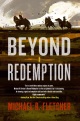
Michael Fletcher’s exquisite madness is on full display in this grimdark beauty. Just imagine a world where madness equals magical power to change the world around you? Said power able to be used for both good and bad according to your sanity. Yeah, it’s damn wicked grimdark fun.
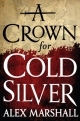
A relative newcomer to the grimdark ranks, The Crimson Empire fills its narrative with every grimdark trope out there. Bad-ass female warrior? There are several of them. Unprovoked slaughters? No problem. Grey characters? Sure. Sex? Of course. Philosophical bullshit? Without a doubt. I could go on and on, because this is a story written to be a grimdark, not a story which just happens to be a grimdark.
This series has been described as dark, brutal, and without mercy. The huge cast filled with characters who must decide if they are wolves or the sheep. And if that doesn’t describe a grimdark I don’t know what does.
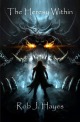
Rob J. Hayes has crafted one of the grimmest of the grimdarks with this series. Sure, he has been quoted as saying he might have tried too hard to make this one grim, but no matter, it is still one of the most unapologetic grims readers will find out there.
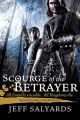
This series is a difficult one for me to categorize. Sure, the world Salyard creates is pretty damn grim and ultra realistic with philosophical spouting bastards, but it feels more like a realistic fantasy than a true grimdark. However, the majority of readers say its a grim, so on the list it goes.
Personally, I don’t view this series as a true grimdarks, but most readers do. However, I will agree that this fantasy retelling of 13th century Europe with its great, competing religions, crusades, and political turmoil does give a pessimistic and realistic portrayal of human beings and their flaws.
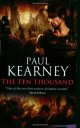
Paul Kearney delivers non-stop violence, death, and destruction in this thinly veiled retelling of the Greco-Persian conflicts of ancient history. And just when you think you’ve seen the worst, something horrible inevitably happens to someone, because . . . this is grimdark, brother!
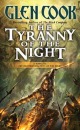
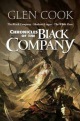
The Godfather of Grimdark has his second series on the list. Dread Empire a precursor of his more famous Black Company, asa huge cast of characters kill, manipulate, and betray one another in a world torn apart by war and religious fervor. Not as good as Black Company, but still a damn fine series.
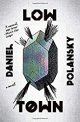
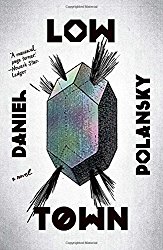
This story about a former intelligence agent and war hero turned drug dealer and crime lord in a slum called Low Town is a genre blender, making use of many noir crime themes to give it a unique feel. No matter though, it is also as grimdark as they come. And a damn fine one too.
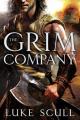
Detractors will cry that the series is too similar to Abercrombie’s First Law; fans will say who cares, because Scull weaves a bloodthirsty tale filled with flawed heroes and grey villains set in a decaying world devoid of magic. Most readers should just read the books and see if you like them or not.
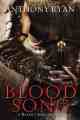
Kane is a very dark character with dark stories; he is a killer and sorcerer, suggested to be Caine from the Judeo-Christian Bible. And he is brutal as they come, as one reviewer succinctly put it, “Kane is what would happen if Conan and Elric were able to mate successfully.”
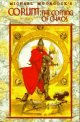
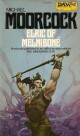
Following the tragic tale of Prince Corum, the last of his race, this tale is a dark and gloomy affair from beginning to end. An epic of a survivor witnessing the slow transformation of his world, as hordes of humans take over, and nothing he does can stop the death of everything he loves.
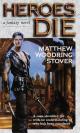
I’ll allow the author to describe the opening book of the series: “It’s a piece of violent entertainment that is a meditation on violent entertainment — as a concept in itself, and as a cultural obsession . . . It’s a pop-top can of Grade-A one-hundred percent pure whip-ass.” Sounds like grimdark to me.
This series is ultra dark, ultra violent, profanity laced with explicit descriptions of torture, mutilations, and sex (mostly homosexual) with both humans and non-humans. It has been called a grimdark series for the hardcore grimdark readers who are not squeamish.
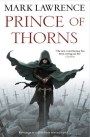
Taking place within the same world and during the same time period as Lawrence’s The Broken Empire, this is another amazing grimdark series which pulls no punches, as it mixes brutal death, zombies, devious characters, and unlooked-for outcomes with a cowardly main character.
A grimdark epic from Lord Grimdark himself; this one focused on the quest for revenge by young Yarvi, whose path takes him to far off lands and into the remains of a violent past. Yes, the books are a bit on the young adult side, but they’re still classic Abercrombie grimdark.
Complex world, complex characters, schemes within schemes, epic battles, political intrigue, and mature themes set in an exotic feeling local. Some people call it a “thinking man’s grimdark.” And you will either love it or despise it. Not really any in-between with this series.
Sad. Brooding. Cynical. Brutal. Grim. All words used to describe this most famous of Moorcock’s works. Is it grimdark or sword and sorcery? My reply: Why can’t it be both? I personally believe it can be and should be, because Elric’s tale is about as damn grim and dark as you can get.
With a cyncial tone about life, honor, right and wrong, and filled with gratuitous violence, Raven’s Shadow is always among the tops of most grimdark reader’s list. Certainly, it has many epic fantasy elements, but the true nature of the book is grimdark — whether one likes it or not.
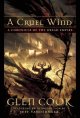
This series helped inspire many grimdark writers of today. As Steven Erikson has written: “. . . Glen Cook single-handedly changed the face of fantasy . . . He brought the story down to a human level . . . Reading his stuff was like reading Vietnam War fiction on peyote.” Peyote = Grimdark.
With a main character in Jorg Ancrath who is arrogant, manipulative, and an unrepentant murderer and rapist, Lawrence’s series is among the most widely read and loved grimdark fantasy series out there. It also is one of the most hated. Guess you can’t please everyone.
This series by Lord Grimdark himself might not have created the genre, but it certainly heralded a new era of dark, violent fantasy with its subversion of most fantasy tropes and its focus on despicable, realistic characters and their unsanitized actions. A classic in the genre without a doubt.
The most epic of fantasy books is a grimdark? I know. I was a bit taken back by the idea as well, but quite a lot of readers place it in the genre, viewing the atmosphere, tone, and violence as more similar to the grims than to the other epic fantasy series out there.
Another epic fantasy series which certainly feels out of place on this list. However, if you view the narrative through a critical eye, the grimness of FitzChivalry’s life and trials certainly pop out at you. You also notice that the world he lives in isn’t exactly Hobbiton, and those around him aren’t exactly the chivalrous heroes of the Lord of the Rings. Nope, this one can’t be called grimdark per se, but most of its narrative qualities fit the grimdark criteria near perfectly.
Okay, I can hear the groans from some of you; the mumbles of complaints that Martin’s epic is exactly that: epic fantasy; and I agree with you in part. But we all can agree these books are pure grimdark in many respects, right? They are dark, pessimistic, nihilistic, filled with brutal murder, torture, rape, and even less savory things. Honestly, Martin’s writing makes some grimdark books look tame in comparison to what he puts his characters through, which is why so many readers view it as the consummate grimdark fantasy.
At least, it was to me. Honestly, several of my favorite grims didn’t even make the cut! Which sucks since I put the list together. So while I know some of you are pissed your favorite series was left off or ranked lower than you feel it should have been, believe me when I say I’m as upset as you are. But never fear, there is a way to let your voice be heard: Vote on the poll below!
Another week begins. I quickly slip into my business suit and head back into the office to save a few innocent people. But while I try to fool myself into being excited about the promise of a new year and the continuation of the regular grind, deep down, I’m not, so I’m going to escape dreary reality by reading some great books.
Still behind and playing catch-up, so I’m finishing up a book from last week and trying to get to a new one.
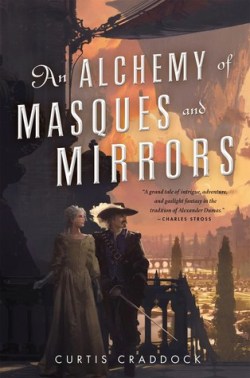
A polymath princess and her faithful musketeer must unravel the plot of a thousand-year-old madman in order to save an a foreign kingdom from a disastrous civil war.
Caelum is an uninhabitable gas giant like Jupiter. High above it are the Risen Kingdoms, occupying flying continents called cratons. Remnants of a shattered world, these vast disks of soaring stone may be a thousand miles across. Suspended by magic, they float in the upper layers of Caelum’s clouds.
Born with a deformed hand and utter lack of the family’s blood magic, Isabelle is despised by her cruel father. She is happy to be neglected so she can secretly pursue her illicit passion for math and science. Then, a surprising offer of an arranged royal marriage blows her life wide open and launches her and Jeane-Claude on an adventure that will take them from the Isle des Zephyrs in l’Empire Céleste to the very different Kingdom of Aragoth, where magic deals not with blood, but with mirrors.
Fire. Wind. Pestilence. Earthquake. Drought. Lightning. These are the six Decimates, wielded by sorcerers for both good and evil.
But a seventh Decimate exists–the most devastating one of all…
For centuries, the realms of Belleger and Amika have been at war, with sorcerers from both sides brandishing the Decimates to rain blood and pain upon their enemy. But somehow, in some way, the Amikans have discovered and invoked a seventh Decimate, one that strips all lesser sorcery of its power. And now the Bellegerins stand defenseless.
Prince Bifalt, eldest son of the Bellegerin King, would like to see the world wiped free of sorcerers. But it is he who is charged with finding the repository of all of their knowledge, to find the book of the seventh Decimate–and reverse the fate of his land.
All hope rests with Bifalt. But the legendary library, which may or may not exist, lies beyond an unforgiving desert and treacherous mountains–and beyond the borders of his own experience. Wracked by hunger and fatigue, sacrificing loyal men along the way, Bifalt will discover that there is a game being played by those far more powerful than he could ever imagine. And that he is nothing but a pawn…
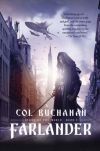
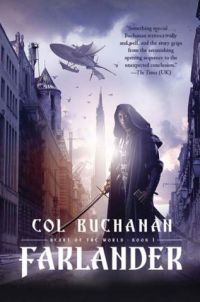
Farlanderis the beginning of series which is seriously underappreciated. This initial installment a pleasant surprise, one which thrilled me with a war-torn world, secretive assassins, power-mad religious zealots, and a conclusion which took me completely by surprise.
The Heart of the World is a land torn apart by war. The nihilistic empire and religion of the Holy Empire of Mann determined to conquer the known world and force their dark faith upon everyone. Only the Free Ports holding back the seemingly unstoppable tide of the Holy Matriarch Saseen’s fanatical armies and diabolic agents, sarcastically dubbed the Diplomats.
The most precarious of the Free Ports is the island of Khos, where the city of Bar-Khos has been under attack for years. The causeway which links the island to the southern continent now an enemy camp filled with Mannian armies determined to break through the might walls of Bar-Khos and put everyone to death; the sky around filled with constant skirmishes between Khosian and Mannian airships; and the sea a war of attrition, as the Khosians fight to keep a Mannian blockade from strangling them into submission.
Trapped in the besieged city is a young, desperate, and hungry teenager named Nico. His quest for money to survive one more day in the street leading him to a chance encounter with a foreigner named Ash, whose unexpected kindness carries our unsuspecting youth into a life as one of the feared Roshun: Zen-like monk assassins, feared the world over for their vendetta killings.
Quickly, our newest Roshun must undergo his training, deal with rival apprentices, and seek to win over Ash, who is a silent and, at times, stern master. But soon a Roshun vendetta interrupts Nico’s acclimatization; his master and the son of the Holy Matriarch Saseen on a collision course, as a Roshun vendetta takes Nico and Ash to the holy city of Mann itself. Death, destruction, and unexpected betrayal soon splattering the pages of Farlander with blood!
Without a doubt, the biggest strength of Farlander is the amazing world Col Buchanan has dreamed up. Gunpowder. Airships. Exotic drugs. Darwinian fanatics. Mysterious monk assassins. The setting of this novel tantalizingly unique, amazingly expansive, yet familiar enough to fantasy fans that it will feel comfortable, draw you in, take hold of your imagination, and demand that you keep reading to uncover all the answers to the numerous questions which exist about this place. It really is a genre blender done right.
As for the characters, I have to admit they are a mixed bag really. Nico is your familiar young apprentice who has stumbled into a situation far above his head; his training (thankfully brief) exhibiting the same patterns readers will have experienced many times over. And the “bad guys” from the Empire of Mann are so damn evil to be near comical in their adherence to a Darwinian mantra taken to the absolute extremes. Thankfully, though, Ash, Nico’s Roshun master, quickly grows out of the familiar fantasy caricature of an over-the-hill-master-training-the-next-generation and evolves into a complex character whom readers will want to know more about. And the minor character Che comes out of nowhere to become instantly fascinating; his story unexpected, entertaining, and demanding of more page time (which it does get in book two). So, sure there are some familiar character tropes here, but Col Buchanan doesn’t limit himself to staying in the normal patterns and mixes in several unique persons who are quite fascinating as they begin to evolve.
The story itself is told through multiple point-of-view characters; the author shifting from one story line to another. These shifts always appropriate, never jarring or distracting. And for the most part, Col Buchanan does a good job making each plot relevant to this books story arc while foreshadowing things to come in future books, which actually makes certain sections much more interesting as you know they will be important later on.
The only issue I have with the novel is the pacing. Col Buchanan having difficulty finding the right narrative speed and maintaining it. Too many times the story gets tangled up in seemingly unnecessary descriptions and internal monologue, and while I’m perfectly okay with intricate details when necessary, there were moments I felt as if the author was merely filling time before the next bit of excitement. On the other hand, there were also sections of the book where important events transpire in a few short paragraphs, which just felt wrong; I mean, I’m all for getting to the point in a narrative, but it really seemed like some important and some really cool moments were lost in an attempt to hurry up and get to the conclusion. All of which means this failure to settle on a pace and maintain it was bothersome at times.
Even with this one issue, Farlander was a great read and a fascinating beginning to the Heart of the World series. The tantalizing world, interesting characters, and generally fast paced narrative made this novel one of my favorite reads of the year, so good in fact that it led me to the next book and the next until I’m currently about to begin book four of this ever evolving and always entertaining series. It really is an underappreciated series which I would encourage everyone to give a try!
Today, I’m happy to have my son, Connor, return to the blog for yet another of his graphic novel reviews. Thankfully, this is becoming something of a regular occasion, and I personally will be enjoying it for as long as it lasts.
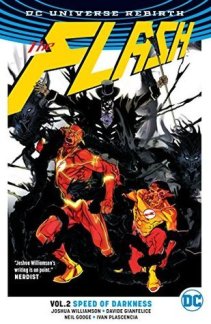
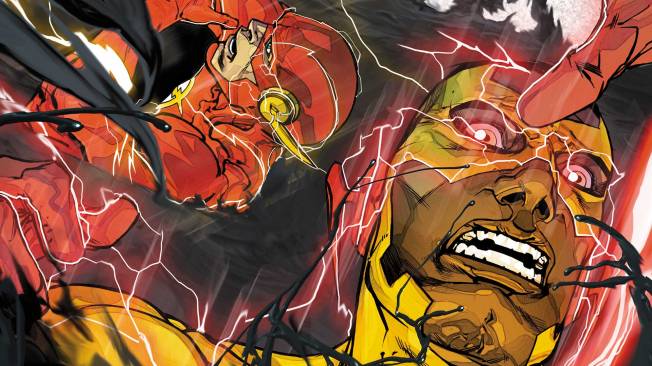
It’s real simple: I love the Flash. And I always, always want to love every Flash story and every Flash graphic novel. But this time I didn’t: Speed of Darkness a huge fail.
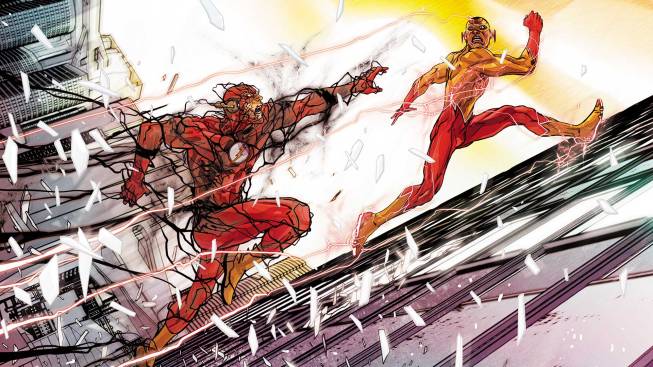
This one starts off showing the Flash (Barry Allen) and Kid Flash (Wally West) working together. It’s not really a sidekick kind of story, but then again it is. (Weird, I know.) Barry is trying to teach Wally about the incredible power of the speed force, but Wally doesn’t really know or trust Barry, plus he thinks there isn’t anything to being a hero and wants to run into things full blast.
During the story, Barry and Flash deal with Shade, fight darkness demons, fight things from the Shadowlands, and then after that they do some more fighting.
So I kind of hated this comic. Know why? One, I hated the way Barry was written. Two, it wasn’t a Flash comic at all. Nope, this one should have been titled Kid Flash: Speed of Whine, because it didn’t have much at all to do with the Flash and Wally spent the whole story whining about everything he wanted. RIGHT. NOW! Wally really acted like a baby. Honestly.
As for the art, it was decent, I guess. Some of it was really good, others not so much. At least, that is what I thought, but I’m not an artist, so I don’t really know how to explain what was wrong with the art the majority of the time. I didn’t like it is about the best I can do.
I hate being so negative about this book, but I didn’t like it. If you thought it was great and totally disagree with me that is cool. Glad you enjoyed it! As for me, I really don’t know if I’ll be picking up another Flash book for a while; I just don’t think this writer is the right one for me.
Well, I hope you liked this review, and if you are on Goodreads, friend me any time to talk about my reviews or comic books in general.
I received this book from the publisher in exchange for a fair and honest review. I’d like to thank them for allowing me to receive this review copy and inform everyone that the review you have read is my opinion alone.
About Connor (In his dad’s words):
Connor is a teenager who enjoys graphic novels (DC Comics are preferred!), superhero movies (Spider-Man:Homecoming is his current favorite.), watching episodes of The Flash, Arrow, and Futurama, as well as the NFL, NCAA football, and the NBA on t.v., will happily accept any and all caps (because you just can’t have too many caps), and whose favorite music right now revolves around AC/DC. And, no, Connor did not have any input into my paragraph about him. Being a dad does have it’s privileges.
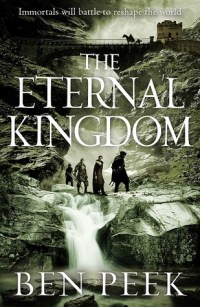
Ben Peek shines in The Eternal Kingdom, the final installment of The Children Trilogy. This story a complex, detailed and imaginative narrative which challenges its readers to keep up, but rewards those who do so.
For those not up-to-date with this series, suffice it to say that the preceding two books have chronicled the birth of a new god and the havoc such an event has unleashed across the world. Wars, untold destruction, and the displacement of whole people merely a few of the consequences of the arrival of this unlooked-for deity.
Caught up in the cascading crash of events has been a cast of very different characters. Some have survived up to this point, while others have lost their lives. The returning faces this time around are Bueralan Le, Ayae and Heast, who strive to deal with the newest phase of chaos. Ayae has become the unwilling liaison between the war refugees and the immortals who are attempting to decided what to do about the new divinity. Heast has fallen in with a band of mercenaries as they decide to take up a lost cause. And Bueralan has the unenviable task of being caught up with the new god, Se’Saera, forced to make choices which might determine the fate of the world.
From these various point-of-view characters Ben Peek weaves a story focused on Se’Saera’s attempt to claim the status of supreme god of the world and what that would actually mean for the world itself. People are hurt; bad things happen to beloved characters; and no one – I mean, no one – is safe from the executioner’s axe.
While I have grown fond of all the characters in this epic tale, what I continued to view as the strength of Ben Peek’s work is the world building. The author having crafted a breathtakingly fantasy setting, filled with history, lore, and all the trapping of civilization. It is a place any reader who loves exotic vistas will adore, because it is just so damn complex, filled to the brim with diversity, and realistic to a fault.
As for any weakness in The Eternal Kingdom, if pressed, I’d point to the irregular pacing. Many times, the narrative just seemed to creep along when a reader would expect it to be traveling rapidly. At other points it whizzed by like a roller coaster when a slower, more methodical approach seemed warranted. And this failure to set a pace, maintain it, and modulate it did bother me at times.
An emotional series with grey characters, a majestic world, deadly magic, and real consequences, The Children Trilogy has been a wild ride for me as a reader, causing me to ponder some interesting questions and find myself surprised at the answers the story provided me. Certainly, there has been times I was overwhelmed by all the concepts and information thrown at me, but after completing the journey with The Eternal Kingdom, I find it was time well spent, and I’d encourage other fantasy lovers to give Ben Peek’s series a try.
I received this book from the author in exchange for a fair and honest review. I’d like to thank him for allowing me to receive this review copy and inform everyone that the review you have read is my opinion alone.
Book Traveling Thursday is a weekly meme hosted by Catia and Danielle. Each week everyone picks a book related to that week’s theme, then you write a blog post explaining explain why you choose that book and spotlight all the different covers from different countries. To find out more check out about BTT go to the Goodreads group!
This week’s theme is: A BOOK WHICH LIVED UP TO THE HYPE!
Great topic. I say that because I seem to spend a lot of time focusing on books which did not live up to the hype, and now I can actually acknowledge a book which was just as good as advertised.
ORIGINAL COVER
I am almost positive this is the original cover for the book. It was the hardcover edition released by Tor Books on July 25, 2006. If I’m wrong about this, and there is an older one, please send me the link so I can change this.
FAVORITE COVERS
Different flavor covers. Each one of these beautiful renditions capturing some essence of the awesomeness which is Mistborn: The Final Empire.
LEAST FAVORITE COVERS
A few of these covers are worse than the others, but for whatever reason, I’m not fond of any of them. No deep reason why.
A noir crime story set in a fantasy setting; Low Town is a dark tale of drug dealers, realistic politics, corrupt cops, and vile sorcery. And while this is Daniel Polansky’s debut novel, it does not read that way at all, but displays the deft touch of a master storyteller, which is why it is a must read for all fans of grimdark.
In the ugly, dirty, and crime infested section of the finest city in the Thirteen Lands lies Low Town: a place few willing call home. And it is here that the Warden resides, using his cynical, streetwise, and violent skills to rule this slum as a crime lord. His days spent dealing drugs; his nights filled with turf wars for control; and the profits he makes from the drugs he deals paying off the guards to look the other way and setting him up in a bearable life.
But there is more to the Warden than meets the eyes. His past filled with unexpected friends, surprising triumphs, and mysterious falls from grace. All his varied experiences making him the perfect person to deal with a series of child murders in Low
Town. The fact that children are dying in the slums not unusual, but the how and the why what draws the Warden into the dangerous game being played by powers seemingly beyond him, reinforcing to him yet again that in Low Town no one can ever be trusted!
Like many fantasy readers, I enjoy stories dealing with anti-heroes. Nothing against heroes, but there just aren’t that many out there these days whose causes are my own. (That happens as you get older and the world moves on I understand.) So the Warden immediately grabbed my attention. Daniel Polansky having created the perfect anti-hero for my tastes: A drug dealer and mafia boss who does despicable things yet still manages to retain some small portion of innate goodness, which rears its head occasionally. This guy’s shadowy past only slowly revealed and creating more questions than it truly answered. The constant evolution of who the Warden is and why he does what he does keeping me riveted to the pages.
But if I’m being completely honest (And you want me to be, right?), it was the noir crime plot line which I adored even more than the mysterious Warden. The constant clues, frantic search for answers, struggles with dirty guardsmen, devious secret police, and corrupt nobles, and the desperate desire to uncover the true murderers mesmerizing me. No doubt, much of this infatuation was due to my unfamiliarity with noir crime fiction, so this type of story line was very fresh and unique for me personally (though I know it won’t be for others out there); the tropes Polansky undoubtedly utilized from this other genre not turn offs but turn ons for me personally. Be that as it may, Low Town was the exact addictive brew I desired.
The only weakness in this narrative would have to be the minimal amount of magic or fantastical elements. Yes, there were magic users, a few paranormal creatures even, but Low Town and its surrounds were so normal most of the time that it was difficult for me to maintain my belief that this story was taking place in a fantasy world at all. Others might not find this an issue at all, preferring low magic settings, but I could have used a little more of the fantastical in my fantasy, if you know what I mean.
Overall, this was a great read, one of my favorites from the recent past. Low Town providing me with a strong dose of grimdark yet blending it so well with noir crime that it provided me with an exhilarating hit of something fresh and exciting. I’ll definitely be reading the next book in the series, and I highly encourage those who haven’t already done so to go out find this book and give Polansky a try, because this author is a damn fine crafter of stories.



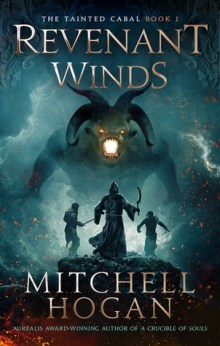 Revenant Winds by Mitchell Hogan
 Seventh Decimate by Stephen R. Donaldson






 5. TANIEL TWO-SHOT & BORBADOR
 4. ASH/NICO & BARACHA/ALEAS
 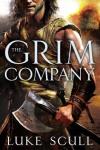 3. BRODAR KAYNE & JEREK THE WOLF
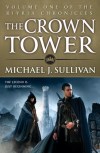 2. HADRIAN & ROYCE
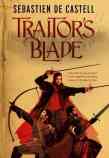 1. FALCIO, KEST & BRASTI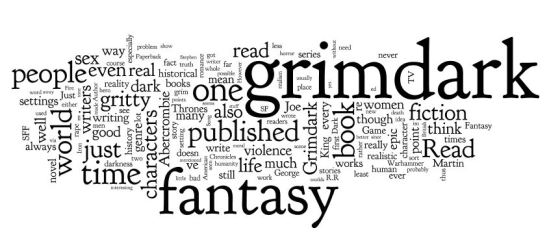
 25.
25.  at Amazon.
 24.
24.  at Amazon.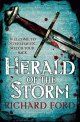
 at Amazon
 22.
22.  at Amazon.
 21.
21.  at Amazon.
 20.
20.  at Amazon.
 19.
19.  at Amazon.
 18.
18.  at Amazon.
 17.
17.  at Amazon.
 16.
16.  at Amazon.
 15.
15.  at Amazon.
 14.
14.  at Amazon.
 13.
13.  at Amazon.
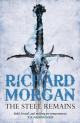 12.
12.  at Amazon.
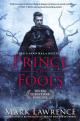 11.
11.  at Amazon.
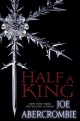 10.
10.  at Amazon.
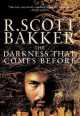 9.
9.  at Amazon.
 8.
8.  at Amazon.
 7.
7.  at Amazon.
 6.
6.  at Amazon.
 5.
5.  at Amazon.
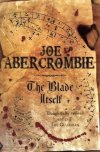 4.
4.  at Amazon
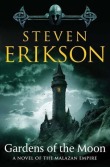 3.
3.  at Amazon.
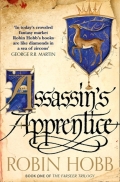 2.
2.  at Amazon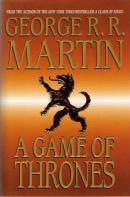
 at Amazon
 An Alchemy of Masques and Mirrors



 Today, I’m happy to have my son, Connor, return to the blog for yet another of his graphic novel reviews. Thankfully, this is becoming something of a regular occasion, and I personally will be enjoying it for as long as it lasts.

 About Connor (In his dad’s words):



 Book Traveling Thursday is a weekly meme hosted by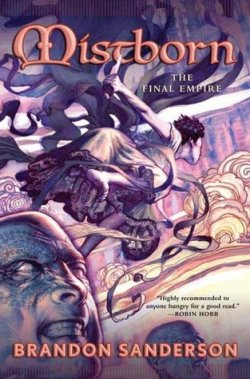











 bookwraiths.com